Most organisations only see their electricity use as a single total on a monthly bill. While this tells you how much energy you are using overall, it does not explain where that energy is being consumed, who is responsible for it, or what is driving higher costs. This is where electrical sub metering becomes essential.
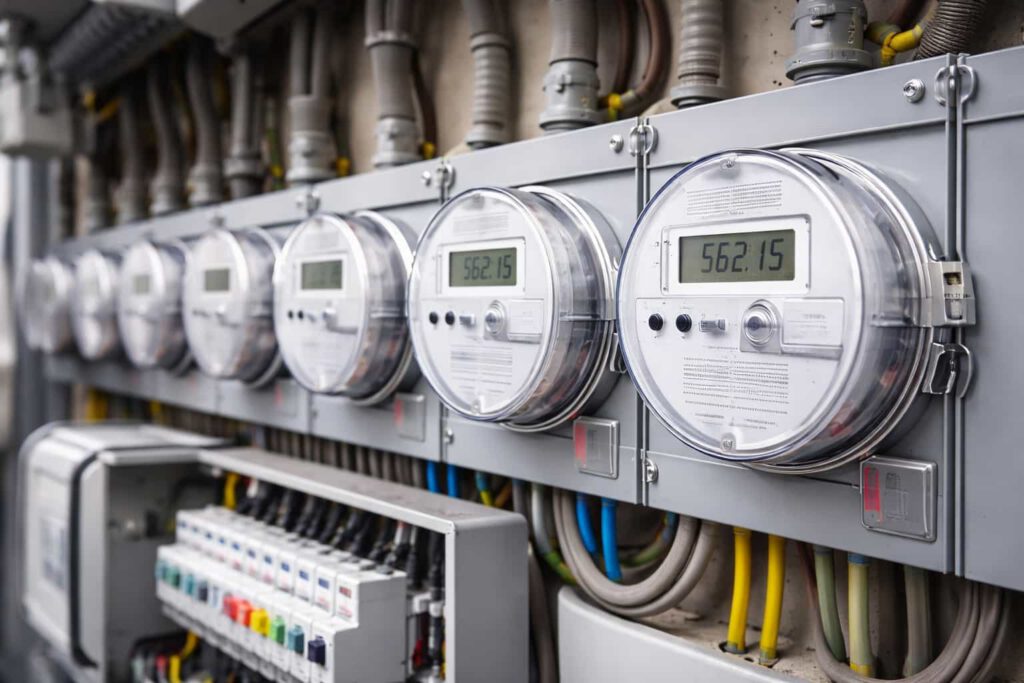
In this guide, electrical sub metering explained means breaking down electricity consumption beyond the main incoming supply. By installing sub meters at key points across a building or site, organisations can track usage by floor, tenant, department, or individual equipment. This turns electricity data into something you can actually act on, rather than a number you only react to after the cost has already been incurred.
What is electrical sub metering?
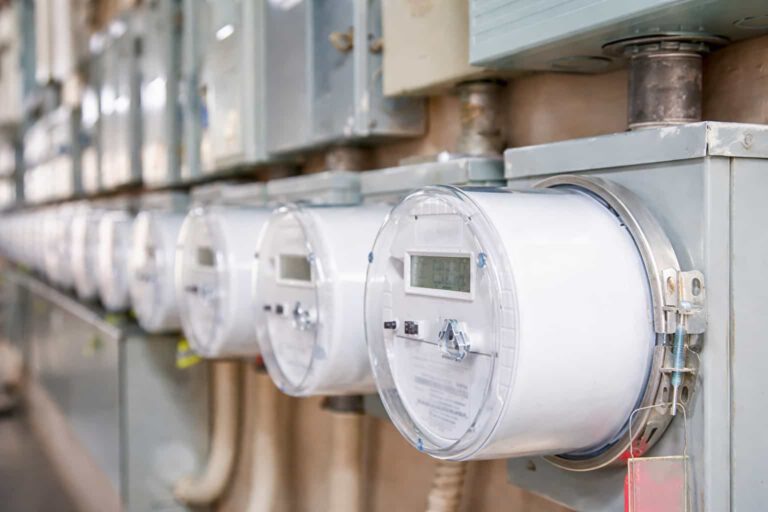
Electrical sub metering is the process of measuring electricity consumption at multiple points within a building or facility, rather than relying solely on a single main meter. Each sub meter records usage for a specific area, circuit, or asset, allowing electricity consumption to be analysed in far more detail.
Electrical sub meters can be installed to monitor:
- individual floors within a building
- separate tenants in multi occupancy sites
- departments or cost centres
- high load equipment such as chillers, plant rooms, or production machinery
By collecting this data continuously, the systems provide a clear picture of how electricity is actually being used day to day.
How electrical sub metering tracks usage by floor
In multi storey buildings, electricity demand often varies significantly between floors due to occupancy levels, equipment density, or operating hours. Without sub metering, these differences remain hidden.
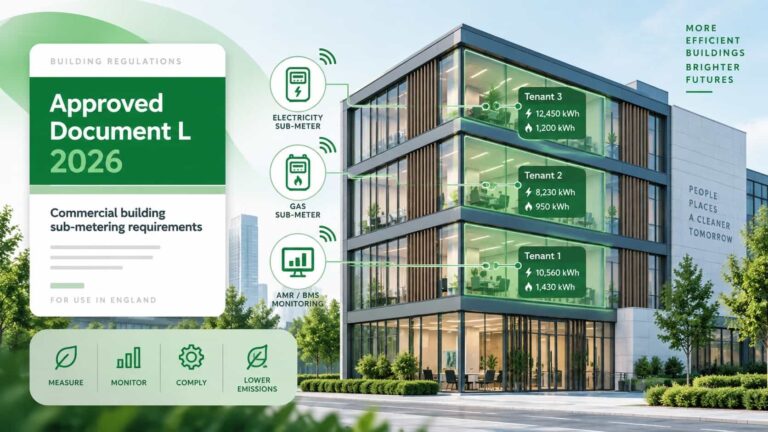
Installing electrical sub meters at distribution boards serving each floor allows consumption to be measured independently. This makes it possible to:
- compare energy use between floors
- identify underused or inefficient areas
- link energy consumption to occupancy patterns
- support fair internal cost allocation
Over time, this data helps facilities teams and property managers understand which floors are driving costs and where efficiency improvements will have the greatest impact.

How electrical sub metering supports tenant billing
For landlords and managing agents, electrical sub metering is critical in multi occupancy buildings. Relying on estimated splits or floor area calculations often leads to disputes and a lack of trust.
Tenant sub metering provides:
- accurate, auditable electricity data per tenant
- transparent re billing based on actual usage
- reduced disputes over shared energy costs
- improved confidence for both landlords and occupiers
Because electricity consumption is measured directly, tenants only pay for what they use, and property owners can demonstrate fairness and accuracy in their billing processes.
Tracking electricity use by equipment and systems
Some of the largest opportunities for savings come from understanding how individual systems consume electricity. Electrical sub meters installed at equipment level can reveal issues that would otherwise go unnoticed.
Common applications include:
- monitoring HVAC systems and chillers
- tracking plant and mechanical equipment
- measuring data centre or server room loads
- identifying equipment left running outside operating hours
This level of insight makes it easier to spot abnormal consumption, assess equipment performance, and justify maintenance or replacement decisions based on real data rather than assumptions.
Why electrical sub metering matters for cost control
It’s simply comes down to visibility. When you know exactly where electricity is being used, you can control it more effectively.
Organisations using electrical sub metering are better able to:
- identify waste and inefficiency
- link energy use to behaviour and operations
- prioritise energy reduction measures
- support accurate budgeting and forecasting
- demonstrate measurable savings over time
In many cases, the data from sub meters highlights quick wins that can reduce costs without major capital investment.
Electrical sub metering and real time energy data
When electrical sub metering is combined with real time energy monitoring platforms, its value increases significantly. Instead of waiting for monthly reports, teams can see changes in consumption as they happen.
This allows organisations to:
- respond quickly to unexpected spikes in usage
- verify the impact of operational changes immediately
- improve day to day energy management decisions
- build a reliable data foundation for long term planning
Electrical sub metering is not about adding complexity, it is about clarity. By measuring electricity consumption at the right level, organisations gain control over costs, improve transparency, and make better decisions about how their buildings and systems operate.
Whether the goal is fair tenant billing, improved operational efficiency, or stronger energy management, electrical sub metering provides the detailed insight that a single main meter never can.