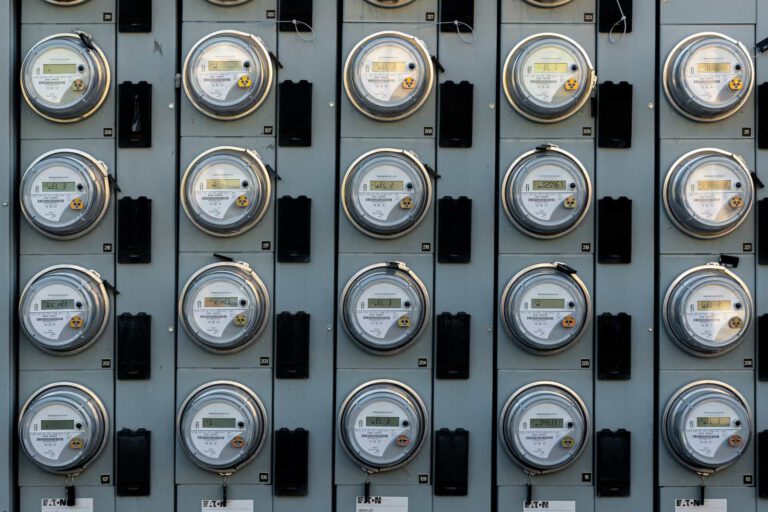

Energy intensive sites are under growing pressure. Rising fuel costs, tighter carbon reporting requirements, and the need to operate more efficiently mean that relying on high level utility data is no longer enough. For sites that depend heavily on gas and heat, understanding exactly where energy is used has become essential rather than optional.
Gas and heat sub metering provides that understanding. It moves organisations away from estimates and assumptions and towards real, measurable insight. For manufacturing plants, hospitals, universities, leisure facilities, and large commercial buildings, this level of detail is often the difference between uncontrolled energy spend and meaningful energy control.
This blog explains why gas and heat sub metering matters, how it supports operational and sustainability goals, and why it is especially critical for energy intensive environments.
What makes a site energy intensive
An energy intensive site is one where gas or heat forms a significant part of operating costs or where energy demand fluctuates based on production, occupancy, or environmental conditions.
Typical examples include:
- Manufacturing and processing facilities
- Food production and cold storage sites
- Hospitals and healthcare estates
- Universities and large education campuses
- Leisure centres, swimming pools, and sports complexes
- Commercial buildings with large heating loads
In these environments, gas and heat are not background utilities. They are core inputs that directly affect costs, comfort, safety, and performance.
Yet many of these sites still rely on a single main gas meter or boiler plant reading to manage energy. This creates blind spots that make optimisation almost impossible.
The limitation of main meters alone
A main meter tells you how much gas or heat enters a building or site. It does not tell you how that energy is used once it is inside.
Without sub metering, organisations cannot easily answer questions such as:
- Which building or zone is consuming the most heat
- How much gas specific boilers or plant items are using
- Whether heating schedules align with actual occupancy
- Which processes are driving peak demand
- Where losses or inefficiencies are occurring
This lack of detail often leads to reactive decision making. Issues are discovered only after costs have already been incurred, usually when a bill arrives weeks later.
Gas and heat sub metering closes this information gap.
What gas and heat sub metering actually measures
Gas sub metering measures the consumption of gas at defined points beyond the main supply. This could include:
- Individual buildings on a multi site estate
- Boiler plant serving different zones
- Production processes using direct gas input
- Catering or specialist equipment
Heat sub metering measures thermal energy rather than fuel input. It captures how much useful heat is delivered to a system or space, typically measured in kilowatt hours of heat.
Heat sub meters are commonly installed on:
- Heating circuits
- Hot water systems
- District heating connections
- Process heat loops
Together, gas and heat sub metering provide a complete picture. Gas shows fuel input. Heat shows useful output. The relationship between the two reveals efficiency.
Why efficiency cannot be improved without sub metering
Energy efficiency improvements rely on knowing three things: baseline performance, current performance, and change over time.
Without sub metering:
- Baselines are unclear
- Performance variations go unnoticed
- Savings claims cannot be verified
With gas and heat sub metering, organisations can:
- Compare heat delivered against gas consumed
- Identify boilers or plant operating below expected efficiency
- Detect abnormal consumption patterns early
- Validate the impact of upgrades or control changes
This turns efficiency from a theoretical goal into something that can be measured and managed.
Supporting operational control in real conditions
Energy intensive sites rarely operate under steady conditions. Production schedules change. Weather varies. Occupancy fluctuates. Equipment ages.
Gas and heat sub metering allows teams to see how systems perform in real conditions, not just in design calculations.
For example:
- A boiler may appear correctly sized but run inefficiently at part load
- Heating may remain active in unoccupied zones overnight
- Process heat may spike during certain shifts without clear explanation
Sub metered data makes these patterns visible. Facilities teams can respond based on evidence rather than assumptions.
Cost control and budget certainty
Gas price volatility has made forecasting energy costs increasingly difficult. For energy intensive sites, small inefficiencies quickly translate into large financial impacts.
Gas and heat sub metering supports cost control by:
- Linking consumption directly to areas, processes, or tenants
- Highlighting where demand reduction will have the greatest effect
- Supporting accurate internal cost allocation or re billing
- Improving confidence in supplier invoices
When consumption is understood at a granular level, budgeting becomes more realistic and unexpected overspend becomes easier to explain and address.
Fair and transparent energy allocation
In multi occupancy buildings or shared plant environments, gas and heat costs are often distributed using estimates or fixed ratios. This can lead to disputes and perceived unfairness.
Sub metering enables:
- Fair allocation based on actual usage
- Transparent reporting for tenants or departments
- Reduced disputes over energy charges
- Improved trust between building owners and occupiers
This is particularly important in commercial property, district heating schemes, and mixed use developments.
Supporting ESOS and regulatory compliance
For many UK organisations, gas and heat represent a significant proportion of total energy consumption and carbon emissions.
Gas and heat sub metering supports compliance with frameworks such as:
- ESOS
- SECR
- Internal ESG reporting
- Corporate net zero strategies
Accurate sub metered data allows organisations to:
- Identify significant energy users with confidence
- Prioritise improvement actions based on real impact
- Provide auditable evidence for reports and assessments
- Track progress year on year
Without sub metering, compliance often relies on estimates that weaken the quality of reporting.
Carbon reduction and net zero planning
Reducing gas consumption is one of the most challenging aspects of net zero planning, particularly for sites with high heat demand.
Gas and heat sub metering helps organisations:
- Understand which systems drive the highest emissions
- Separate essential heat demand from avoidable waste
- Evaluate the impact of control changes before major investment
- Assess readiness for low carbon heat alternatives
By measuring heat demand accurately, organisations can make informed decisions about technologies such as heat pumps, hybrid systems, or heat recovery.
Managing risk and resilience
Unexpected increases in gas or heat usage can indicate faults, leaks, control failures, or equipment degradation.
Sub metering improves resilience by:
- Flagging abnormal usage early
- Supporting proactive maintenance
- Reducing the risk of unnoticed energy loss
- Improving system reliability
For critical sites such as hospitals or manufacturing facilities, this early warning capability is essential.
Integrating gas and heat data with wider energy monitoring
Gas and heat sub metering is most powerful when integrated with wider energy and building data.
When combined with:
- Electrical sub metering
- Building Management System data
- Occupancy or production information
Organisations gain a holistic view of how energy supports operations. This integrated approach enables better decision making across engineering, finance, and sustainability teams.
Why energy intensive sites benefit the most
While all buildings can benefit from sub metering, energy intensive sites see the greatest return.
This is because:
- Gas and heat costs form a large proportion of total spend
- Small efficiency gains create significant savings
- Operational complexity increases the risk of hidden waste
- Regulatory and carbon pressures are higher
For these sites, sub metering is not about marginal improvement. It is about maintaining control in a challenging energy landscape.
Moving from visibility to action
Installing gas and heat sub meters is not the end goal. The value comes from how the data is used.
Organisations that succeed with sub metering typically:
- Review data regularly, not just at reporting time
- Link energy data to operational decisions
- Use trends rather than isolated readings
- Treat energy as a controllable resource
When gas and heat sub metering is embedded into daily decision making, it becomes a strategic tool rather than a technical add on.
Gas and heat sub metering is critical for energy intensive sites because it reveals what main meters cannot. It turns energy from a fixed overhead into something that can be measured, questioned, and improved.
In a world of rising costs, tighter regulation, and increasing carbon accountability, organisations that understand their gas and heat usage at a detailed level are better placed to adapt, invest wisely, and operate efficiently.
For energy intensive environments, sub metering is no longer a nice to have. It is a foundation for control, resilience, and long term sustainability.