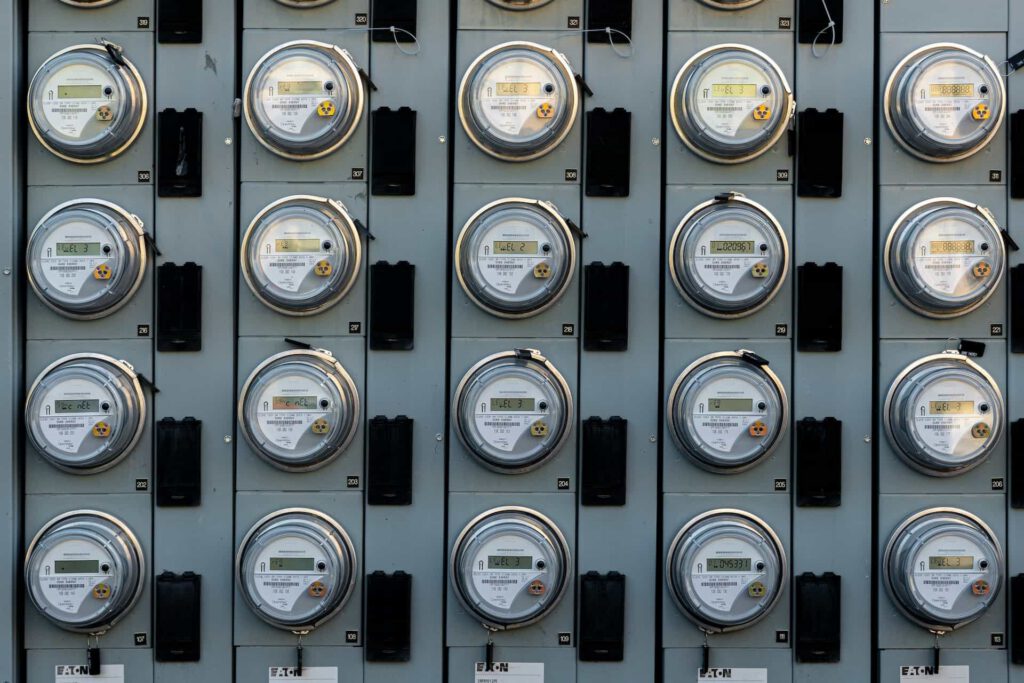
When people talk about sub metering, they usually mean electricity. That makes sense because electricity bills are visible and demand patterns change quickly. But in many sites, major waste sits in other utilities: water, gas, heat, and process loads that are harder to see.
Sub metering beyond electricity gives you the same advantages: visibility, accountability, and the ability to stop paying for waste you did not know existed.
Why electricity only tells part of the story
A building can improve electrical efficiency and still leak value through other utilities. Examples:
- Water leaks that run for weeks
- Gas usage out of hours due to control issues
- Heat losses from poorly performing systems
- Process loads that spike without warning
If you only track the building total, these can hide in plain sight.
What to prioritise first
If you want a simple starting point, prioritise based on cost, risk, and how quickly you can act.
- Water
Great for early detection of leaks and abnormal overnight usage. - Gas
Useful for heating performance, out of hours operation, and seasonal drift. - Heat
Important where heat networks, communal systems, or large heating plant exist. - Process utilities
Relevant in light industrial, hospitality, and some public sector sites.
Water sub metering, catching leaks and behaviour changes
Water is often the easiest place to see fast wins. With sub metering, you can:
- Establish a normal overnight baseline
- Spot continuous flow patterns that suggest leaks
- Identify areas with unusual daytime spikes
- Track the impact of maintenance actions
Even a small leak can become expensive over time, especially when it affects more than one area.
Gas sub metering, improving heating control and scheduling
Gas is strongly linked to scheduling and control. Sub metering helps you see whether consumption matches occupancy. You can detect:
- Heating starting too early
- Heating running too late
- Poor zoning where one area drives plant runtime for the whole building
- Drifting performance over the season
This is where operational changes often deliver results without major capital spend.
Heat sub metering, fairness and performance
Heat sub metering is particularly useful in multi tenant buildings or communal heating setups. It supports:
- Fairer cost allocation
- Better understanding of demand patterns
- Identifying underperforming plant or balancing issues
- Evidence for improvements and investment planning
It also reduces disputes when billing is based on real usage rather than estimates.
Mechanical and process metering, focusing on what drives consumption
Some sites have significant energy and utility use tied to processes. Sub metering can isolate those loads so you can:
- Compare similar areas or lines
- Identify inefficient run patterns
- Detect anomalies early
- Measure the impact of operational changes
This can be especially valuable where uptime matters and unexpected problems are costly.
Turn data into action with simple baselines
A practical approach is to create baselines and simple triggers:
- What is normal overnight usage
- What is normal during operating hours
- What does weekend usage look like
- What change would trigger investigation
You do not need perfect models. You need a repeatable way to spot unusual patterns.
Sub metering is not just an electricity topic. When you apply the same discipline to water, gas, and heat, you gain control of utilities that often hide waste. The result is better accountability, quicker fault detection, and more reliable reporting.
- What is normal overnight usage
- What is normal during operating hours
- What does weekend usage look like
- What change would trigger investigation