
Frequently Asked Questions
What is heat sub metering and how does it work in real buildings
Heat sub metering measures how much thermal energy is used by specific areas, tenants, or systems within a building. Instead of relying on estimates, it records actual heat consumption based on flow and temperature difference. This is especially important in shared heating systems where costs would otherwise be divided unfairly. The data helps building owners understand where heat is used, lost, or wasted. Over time, this leads to better system control and lower operating costs.
Is heat sub metering required by law in the UK
In many cases, yes. Heat sub metering is required under the Heat Network Metering and Billing Regulations where buildings distribute heat to multiple users. The regulations aim to ensure transparency, fair billing, and improved efficiency. Even where it is not mandatory, installing heat sub metering is strongly recommended to support compliance, reporting, and future regulation changes. Accurate data also reduces risk during audits and inspections.
How does heat sub metering support fair tenant billing
Without heat sub metering, tenants are often charged based on floor area or fixed percentages, which rarely reflect actual usage. Heat sub metering ensures each tenant pays only for the heat they consume. This improves transparency and reduces disputes. It also encourages more responsible energy behaviour, as occupants can see the impact of their usage. For landlords, it provides defensible billing backed by real data.
Can heat sub metering help reduce heating costs
Yes, and often significantly. Once detailed heat data is available, inefficiencies become visible, such as overheating, poor control strategies, or heat loss in specific zones. Facilities teams can then optimise system settings, improve insulation strategies, or address faulty equipment. Many organisations achieve measurable reductions in heat consumption simply by acting on the insights provided by sub metering.
What is electrical sub metering used for?
Electrical sub metering tracks power usage for specific areas or equipment, helping reduce peak demand charges, support tenant billing, and improve maintenance planning.
What types of buildings benefit most from heat sub metering
Heat sub metering is particularly valuable in multi occupancy buildings such as offices, residential developments, universities, hospitals, and district heating networks. Any site with shared boilers or central heating plant benefits from understanding how heat is distributed and consumed. Industrial sites using heat for processes can also gain valuable insight. In short, any building where heating costs are material will benefit.
How is heat sub metering data used alongside energy monitoring platforms
Heat sub metering becomes far more powerful when connected to a central monitoring platform. Data can be visualised alongside electricity, gas, and water usage to give a complete picture of building performance. This supports reporting, benchmarking, and sustainability analysis. Alerts can be set for abnormal usage, and trends can be tracked over time to support continuous improvement and investment planning.
Why is gas sub metering important for ESOS assessments
Gas often represents a large proportion of total energy use in commercial and industrial sites. Gas sub metering identifies where gas is consumed by specific plant, processes, or areas, allowing ESOS assessors to pinpoint savings opportunities that would otherwise remain hidden.
How does gas sub metering support carbon reporting
Accurate gas consumption data is essential for calculating Scope one emissions. Gas sub metering improves the accuracy of carbon reporting by allocating emissions to the correct sources, supporting ESG frameworks and sustainability disclosures.
Can gas sub metering help reduce fuel costs
Yes. Gas sub metering highlights inefficient boilers, abnormal usage patterns, and out of hours consumption. This enables targeted maintenance and operational changes that reduce fuel waste and improve efficiency.
Is gas sub metering useful in multi tenant buildings
Absolutely. Gas sub metering supports fair cost allocation and transparent billing, which is increasingly important for ESG reporting and tenant engagement around energy use.
Why is water sub metering relevant to ESG reporting
Water usage is a growing focus within ESG frameworks due to resource scarcity and environmental impact. Water sub metering provides accurate data to track consumption, demonstrate reductions, and evidence responsible water management.
How does water sub metering help identify sustainability risks
Water sub metering enables early detection of leaks and abnormal usage, reducing waste and potential damage. This supports risk management and operational resilience, which are key ESG considerations.
Can water sub metering support compliance and audits
Yes. Detailed water data supports environmental audits, internal reporting, and regulatory compliance by providing clear evidence of usage and efficiency improvements.
Does water sub metering reduce operating costs
By identifying leaks and inefficient usage, water sub metering often leads to immediate cost savings while also improving sustainability performance.
Why is steam sub metering important for industrial energy management
Steam systems are often one of the most energy intensive parts of industrial operations. Steam sub metering provides visibility into where energy is lost through leaks, poor insulation, or inefficient processes.
How does steam sub metering support ESOS compliance
Steam sub metering supplies the detailed data required to identify significant energy use and justify energy saving opportunities under ESOS. It allows assessors to move beyond generic recommendations to site specific actions.
Can steam sub metering improve carbon reduction strategies
Yes. Reducing steam losses and optimising boiler performance directly reduces fuel consumption and emissions. Steam sub metering provides the evidence needed to track progress and demonstrate impact.
Is steam sub metering suitable for older plant and infrastructure
In many cases, yes. Steam sub metering can be installed on existing systems to improve visibility without major disruption, making it a practical tool for improving efficiency in legacy environments.
Why is oil sub metering important for ESG reporting
Oil consumption contributes directly to carbon emissions. Oil sub metering allows organisations to measure fuel usage accurately, supporting transparent carbon reporting and informed transition planning.
What we do
Services
Water Sub Metering Services
Waste Water Sub Metering Services
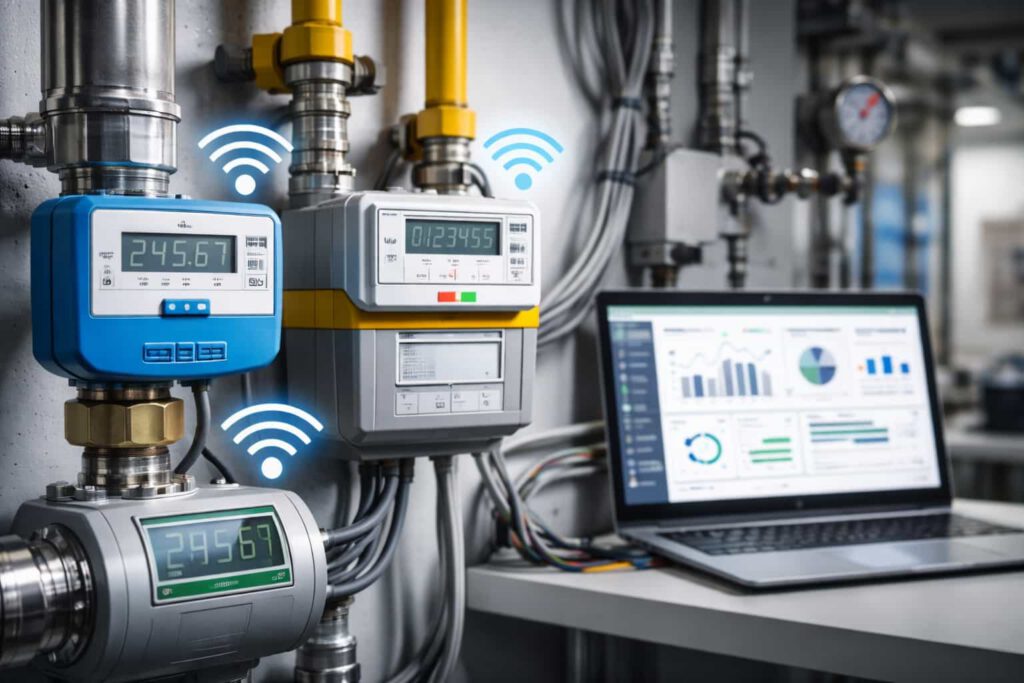
Third Party AMR Services
Steam Sub Metering Services
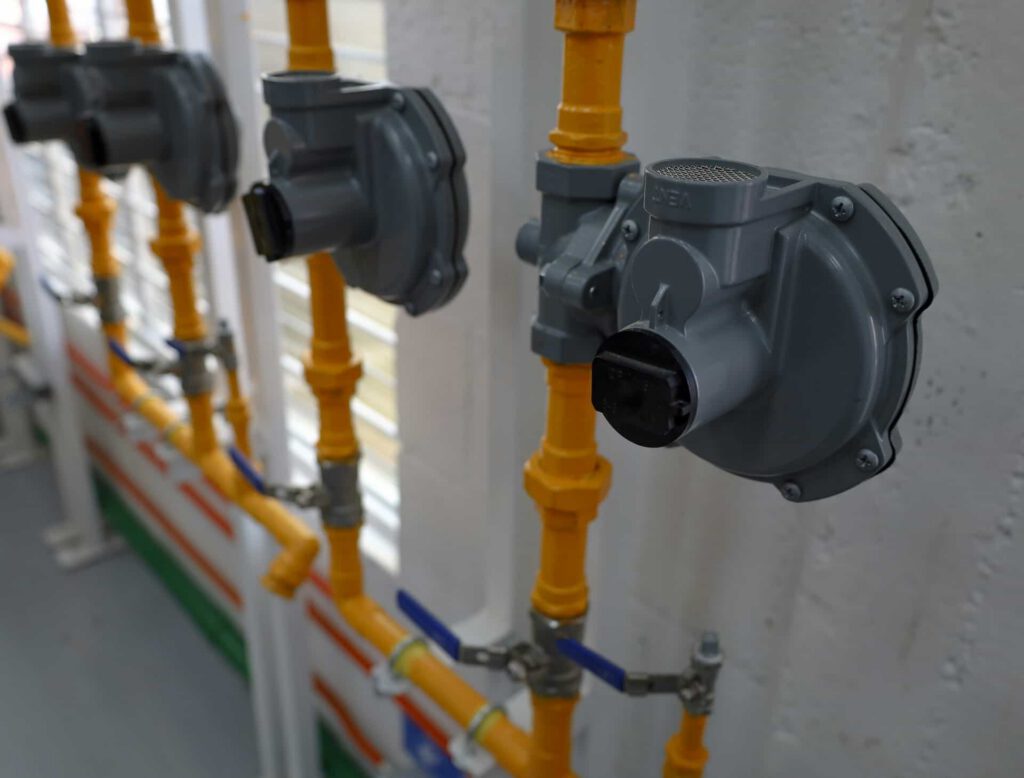
Oil sub metering Services
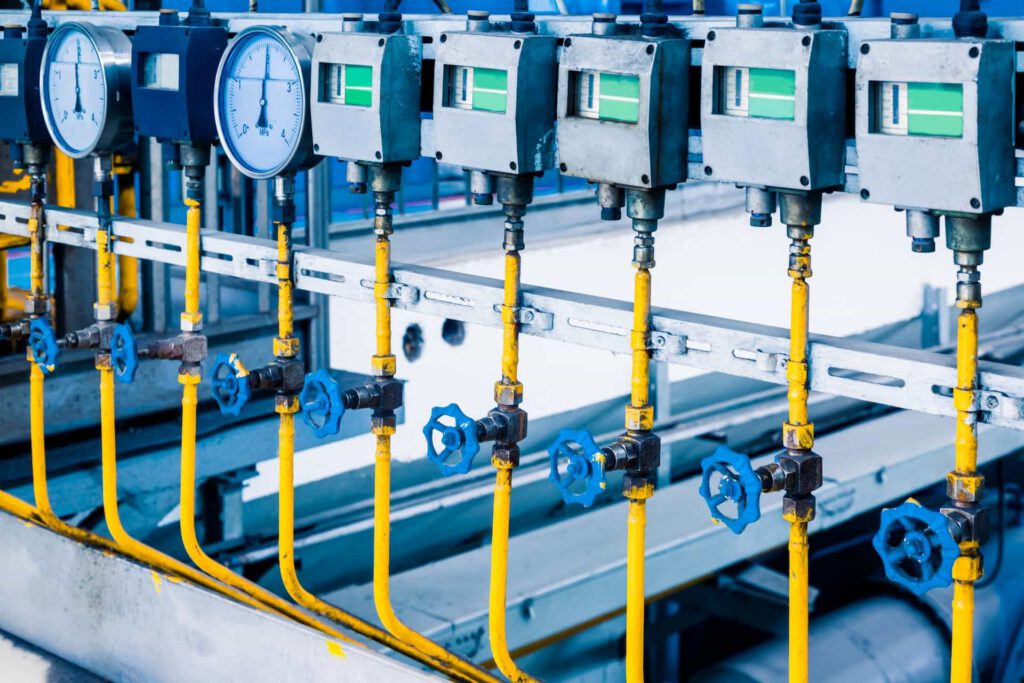
Mechanical Metering Services
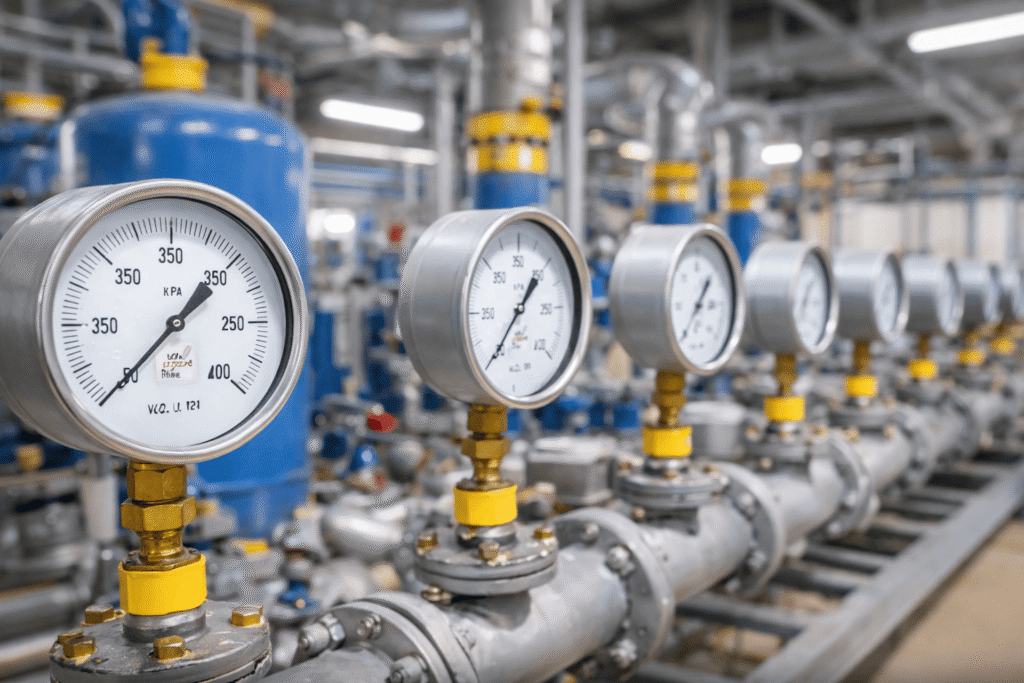
LPG Sub Metering Services
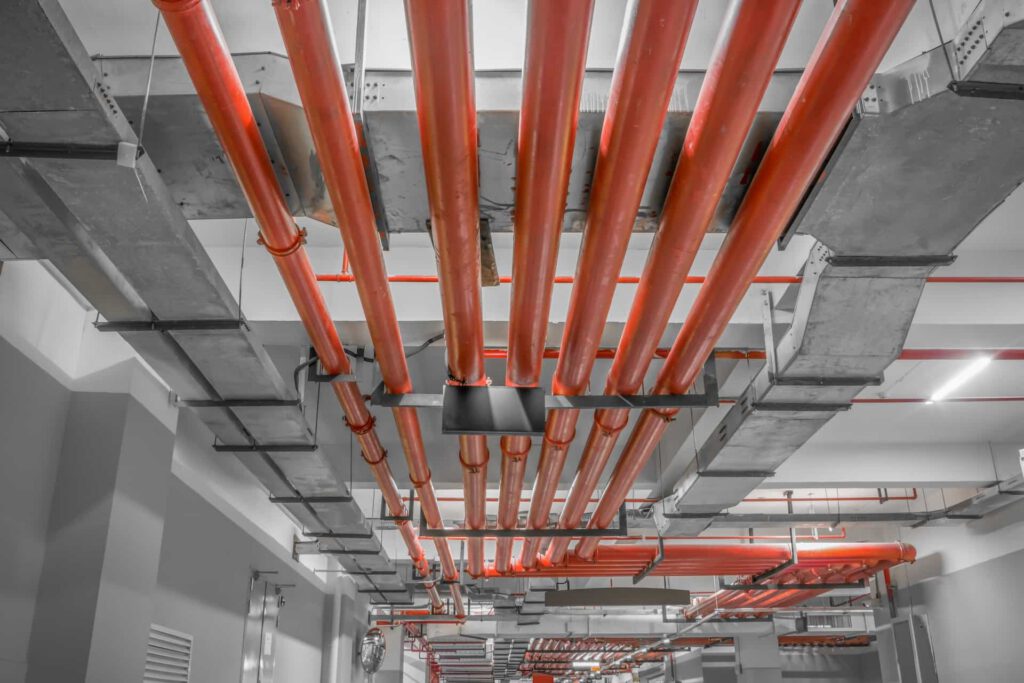
Heat Sub Metering Services
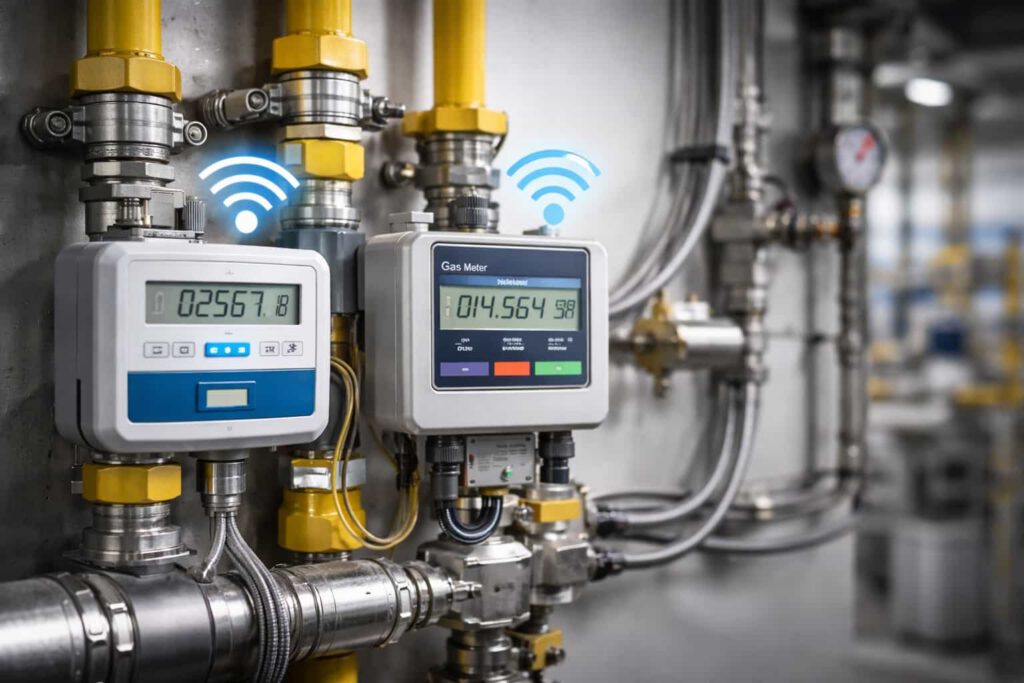
Gas Sub Metering Services
Air Quality Monitoring Services
Building Management System (BMS) Data Management
Commercial Lighting

Get in Touch
Commercial lighting is the design and installation of lighting