Energy control is impossible without visibility. Most facility managers and property owners do not realise they are operating in the dark until sub meters are installed. Relying on a single main meter for an entire building only shows total consumption, not where energy is actually being used or wasted. You might know how much energy is consumed overall, but you have no insight into which systems, areas, or activities are driving that usage. It is like driving a car with only a speedometer. You know you are moving, but you cannot see fuel levels, distance travelled, or engine performance. Without sub metering, true energy control simply is not achievable.
Sub-metering changes that equation completely. Instead of one meter measuring everything, you install meters at strategic points throughout your building or facility. Maybe on individual pieces of equipment, by department, by tenant space, or by energy end-use like heating and cooling versus lighting. Suddenly you can see what’s actually consuming your energy. And once you can see it, you can control it.
The impact on your bottom line is immediate and measurable. We’re not talking about small efficiency gains here. Organisations that implement sub-metering typically reduce energy consumption by 15 to 30 percent just from identifying and eliminating waste. That’s not from buying expensive new equipment. It’s from fixing problems you couldn’t see before.
The Visibility Problem Nobody Talks About
Think about your building right now. Your HVAC system is running. Lighting’s on. Equipment’s consuming power. Water’s flowing. But you probably couldn’t tell me which system is costing you the most money each month. You don’t know if your refrigeration is running efficiently. You can’t see if your air conditioning is overcooling spaces at night when nobody’s there. You won’t catch equipment inefficiencies until they become failures.
This isn’t a minor issue. Research consistently shows that 15 to 30 percent of energy consumption in typical buildings is waste. Equipment left running after hours. Inefficient cycling. Oversized systems running at full capacity when partial load would be fine. Setpoints that are more aggressive than they need to be. None of this shows up on your monthly bill. It just looks like normal energy consumption.
A single main meter can’t tell you where this waste is coming from. You need visibility at the point of consumption.
That’s what sub-meters deliver. They measure energy at specific locations or for specific equipment. If you install a sub-meter on your HVAC system, you can see exactly how much energy it’s consuming hour by hour. If it spikes at 2am when nobody’s in the building, you catch it immediately. If your refrigeration equipment is cycling more frequently than it should, the data shows it. If a production machine is drawing excessive current, indicating it needs maintenance, you spot it before it fails.
This granular data is the foundation of genuine energy control. Without it, you’re just reacting to the monthly bill after the fact.
Where The Real Money Gets Saved
Organisations see results from sub-metering in three main ways, and they all hit the bottom line pretty quickly.
First is straightforward waste elimination. Once you can see energy consumption patterns, you start noticing anomalies. A facility manager looks at the data, sees that a roof-mounted HVAC unit is drawing power during night hours when the building’s empty, investigates, and discovers a faulty damper. Two hours to fix it. Saves £1,500 per month. That one finding pays for a sub-metering system within months.
Or a maintenance team sees that your compressor for your pneumatic tools is cycling unusually frequently. Investigation reveals the air receiver tank has a leak. Repair costs a few hundred pounds and saves hundreds per month in wasted compressed air. Again, you only catch this with real-time data showing you something’s wrong.
The second way you save money is through operational optimisation. Maybe your data shows that your building’s air conditioning setpoint is 19 degrees Celsius, which is colder than necessary for comfort. You adjust it to 21 degrees. Nobody notices the temperature change. But you’ve just eliminated 8 percent of your HVAC costs. That’s pure savings without capital investment.
Or you notice that your heating and cooling are running simultaneously in certain zones, which means they’re fighting each other and wasting energy. You reprogram the control logic so they operate more intelligently. Again, no capital cost, just better operation based on data.
The third is strategic capital investment. When you’re deciding whether to upgrade equipment, replace HVAC systems, or invest in renewable energy, real data lets you make decisions based on evidence rather than guesses. You can model what you’re currently spending, project what you’d save with different upgrade options, and calculate actual payback periods rather than using manufacturer estimates.
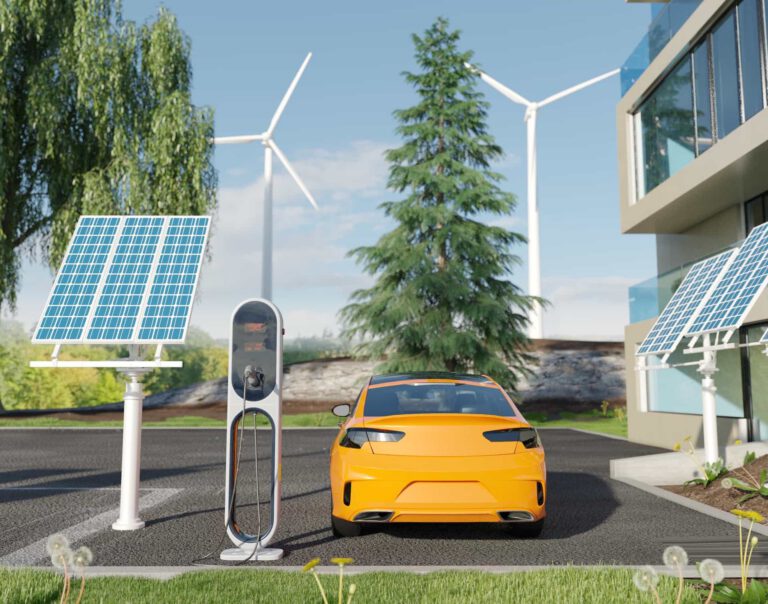
Want to install solar panels? Sub-metering data shows your consumption patterns and whether your demand aligns with solar generation during daylight hours. Want to add battery storage? The data tells you whether your facility has sufficient demand peaks to justify the investment. Want to upgrade to variable frequency drives on motors? The data shows you which motors are your biggest consumers and would benefit most from the upgrade.
This combination of immediate waste elimination plus operational optimisation plus better capital investment decisions typically generates payback in 12 to 24 months for sub-metering systems. After that, the savings flow straight to operating income.
The Tenant Billing Game Changer
If you’re a property owner with multiple tenants, sub-metering solves a problem that’s probably been costing you money and creating friction for years. Currently, you’re probably dividing your energy bill across tenants based on square footage. A flower shop occupies 5 percent of the building’s footprint, so it pays 5 percent of the energy bill. A pizza restaurant also occupies 5 percent but runs three massive ovens all day. Under square footage billing, they pay the same rate per square foot even though their consumption is completely different.
The result? You’re not recovering your actual energy costs. The pizza restaurant should pay more. The flower shop is subsidising them. Tenants feel like the billing’s unfair. You’re eating losses on your energy costs.
Sub-metering fixes this instantly. Install individual meters in each tenant space and you bill based on actual consumption. The pizza restaurant pays for what they actually use. The flower shop pays for their actual use. Billing becomes transparent, fair, and accurate. Tenants stop complaining because they know they’re only paying for their usage. You stop losing money on unrecovered energy costs.
The financial impact is substantial. Large property owners who implement sub-metering often improve their net operating income enough to justify the entire system cost within 12 to 24 months just from billing accuracy alone. That’s before you account for the operational savings from identifying waste and inefficiency.
Plus, accurate energy data makes properties more attractive to potential tenants and investors. Nobody wants to lease space in a building where they’re subsidising someone else’s excessive energy use. And investors increasingly care about detailed energy reporting for ESG compliance and building valuation purposes.
Peak Demand Is Hiding Extra Costs
Here’s something that catches most facility managers off guard when they look at sub-metering data for the first time: demand charges. For many commercial and industrial users, demand charges can represent 30 to 70 percent of the total electricity bill. These charges are based on your highest 15 minute power usage in a given period, not on total consumption.
This creates a perverse incentive. If you run multiple pieces of equipment simultaneously by chance, you create a demand peak even if it’s just for 15 minutes. That peak determines your demand charge for the entire month. So if you accidentally run your compressor, your production equipment, and your HVAC all at the same time for 15 minutes one afternoon, you’ve potentially just locked in a higher demand charge for 30 days.
Sub-metering lets you see these demand peaks before they happen. You can see which equipment contributes most to peak demand. Then you can shift when you run different loads. Run non-critical equipment during off-peak hours. Schedule maintenance work to avoid peak demand periods. Manage your production schedule to spread loads more evenly throughout the day.
This demand management alone, without any other changes, can cut 10 to 40 percent off your demand charges. For many facilities, that’s thousands of pounds per month.
The Compliance Angle
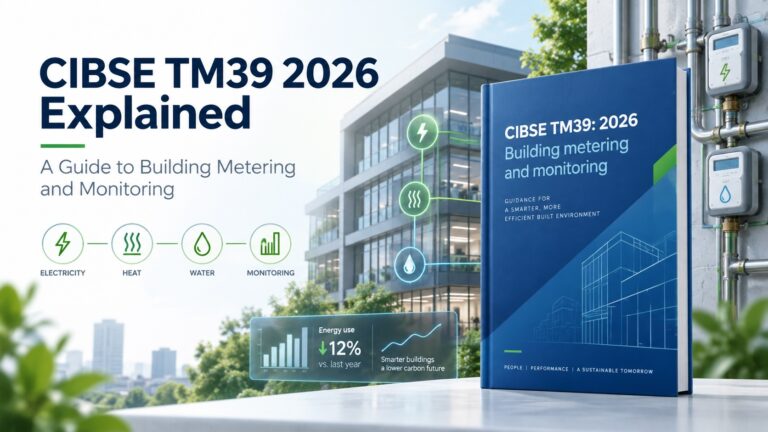
It’s worth mentioning that in the UK, regulatory pressure around energy reporting is increasing. Large non-domestic buildings with a floor area over 1000 square metres must now have sub-metering covering at least 90 percent of energy consumption. SECR reporting requires companies over 250 employees to report energy consumption and related CO2 emissions.
For organisations working toward net-zero targets, having accurate sub-metering data isn’t optional. You can’t hit sustainability targets if you can’t measure your baseline accurately, track progress systematically, or identify where your biggest opportunities for reduction actually are. Sub-metering isn’t just nice to have for net zero. It’s essential.
Getting Started With Sub-Metering
If you’re considering sub-metering for your facility, the starting point is the same as any energy project: understand where you are now and where your biggest opportunities are.
That begins with a metering audit. A qualified technician assesses your building, understands your energy consumption patterns, and identifies where sub-meters would give you the most useful information. This audit costs between £500 and £2,000 and directly shows you where your biggest opportunities are hiding.
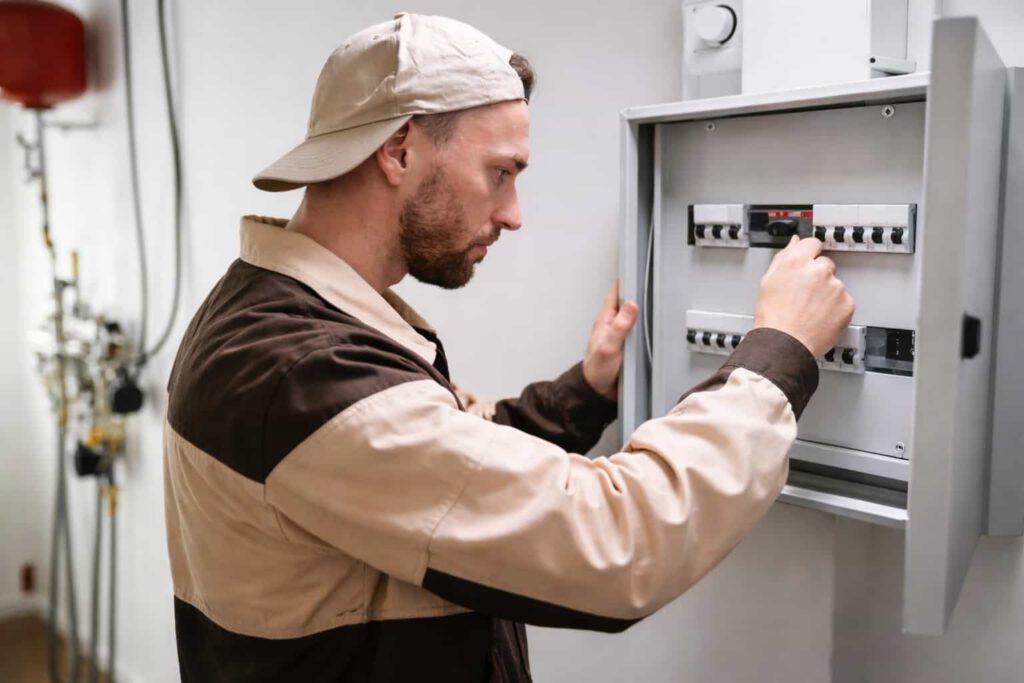
From there, you install meters at strategic locations. For most facilities, that’s on major load categories like HVAC, lighting, production equipment, and potentially individual tenant spaces if you’re a property owner. Installation usually happens with minimal disruption and takes a matter of days rather than weeks.
Once the physical meters are in place, you connect to a monitoring platform that gives you real-time visibility into consumption. Modern systems send automated alerts when something goes wrong, so you’re not just looking at historical data. You’re getting proactive notifications when equipment behaves unusually.
The software piece is straightforward because it’s designed to be intuitive. Facility managers can log in, see consumption across their site, drill into specific areas that look unusual, and understand what’s happening. Some systems integrate with your HVAC or building controls systems so you can actually make adjustments directly from the dashboard.
The Honest Picture
Sub-metering isn’t magic. It won’t solve energy problems automatically. It won’t make your building suddenly 50 percent more efficient without any other changes. What it does is give you visibility and control over something that’s probably one of your larger operating expenses.
The organisations getting real value from sub-metering are the ones who use the data. They investigate anomalies. They optimise operational settings. They schedule loads more intelligently. They make informed decisions about capital investments. They take responsibility for managing what they can now measure.
If you’re currently flying blind, relying on monthly bills as your only feedback about energy consumption, sub-metering will absolutely change what’s possible. You’ll catch waste you didn’t know existed. You’ll eliminate costs without major capital investment. You’ll make better decisions about long-term energy improvements. And you’ll have actual control over something that’s affecting your bottom line significantly.
That’s not just about sustainability. That’s smart business.