Electric vehicle adoption is accelerating across the UK, and for many organisations EV charging is no longer a future consideration. It is a present day operational decision. Whether you manage offices, retail sites, industrial estates, residential developments, or mixed use portfolios, installing EV charging infrastructure brings both opportunity and complexity.
Before committing to chargers, hardware suppliers, or installation works, businesses need a clear understanding of how EV charging will affect electrical capacity, costs, compliance, and long term energy strategy. Poor planning can lead to overloaded supplies, unreliable chargers, unhappy users, and unexpected costs.
This guide explains what businesses need to consider before installing EV charging infrastructure, helping you make informed decisions that support operational performance, financial control, and sustainability goals.
The growing role of EV charging in commercial buildings
EV charging has shifted from a fringe benefit to a core building service. Employees expect workplace charging. Tenants increasingly ask about EV readiness. Customers are more likely to choose sites that support electric vehicles.
At the same time, the UK government continues to push electrification through regulation, incentives, and emissions targets. This means EV charging infrastructure needs to be planned as part of a wider building and energy strategy, not added as an afterthought.
Businesses that approach EV charging strategically gain long term value. Those that rush installations often face technical and financial challenges within the first year.
Understanding your electrical capacity before installation
One of the most common mistakes businesses make is assuming they have enough electrical capacity for EV charging.
EV chargers can place significant additional demand on a building’s electrical supply. A single fast charger can draw as much power as multiple offices or production areas combined. Installing several chargers without understanding load capacity can lead to tripped supplies, reduced reliability, or costly emergency upgrades.
Before installation, businesses should assess:
- Existing electrical supply limits
- Peak demand patterns across the site
- Spare capacity during working and non working hours
- Impact on critical systems such as heating, cooling, and plant
This assessment should be based on real data, not estimates. Where possible, historical load profiles and real time monitoring provide far more reliable insight than static surveys.
Why energy monitoring matters for EV charging projects
Energy monitoring plays a critical role in successful EV charging deployment. Without visibility of how and when energy is used, businesses are effectively guessing how chargers will affect operations.
Real time energy monitoring allows organisations to:
- Understand baseline electrical demand
- Identify spare capacity windows
- Avoid overloading infrastructure
- Plan phased charger rollouts
- Optimise charging schedules
Monitoring also supports smarter charger management after installation. Chargers can be integrated into wider energy systems so charging happens when capacity is available or when tariffs are lower.
For multi site organisations, monitoring ensures EV charging does not create hidden risks across portfolios.

Choosing the right type of EV chargers
Not all EV chargers are the same, and selecting the wrong type can limit usability or drive unnecessary costs.
Key considerations include:
Charging speed
Fast chargers are attractive but place high demand on electrical systems. Slower chargers may be more suitable for workplaces where vehicles remain parked for long periods.
User type
Employee charging, fleet charging, and public access charging all have different requirements around access control, billing, and availability.
Future expansion
Installing infrastructure that supports future chargers can reduce long term costs and disruption.
Compatibility
Chargers should support common vehicle standards and integrate with management platforms.
The right choice depends on how the site operates, not just headline charging speeds.
Managing EV charging costs effectively
EV charging introduces new cost variables that businesses must manage carefully.
These include:
- Increased electricity consumption
- Demand charges based on peak load
- Network capacity upgrade costs
- Maintenance and software fees
- Billing and payment processing
Without clear data, EV charging costs can escalate quickly and become difficult to allocate fairly.
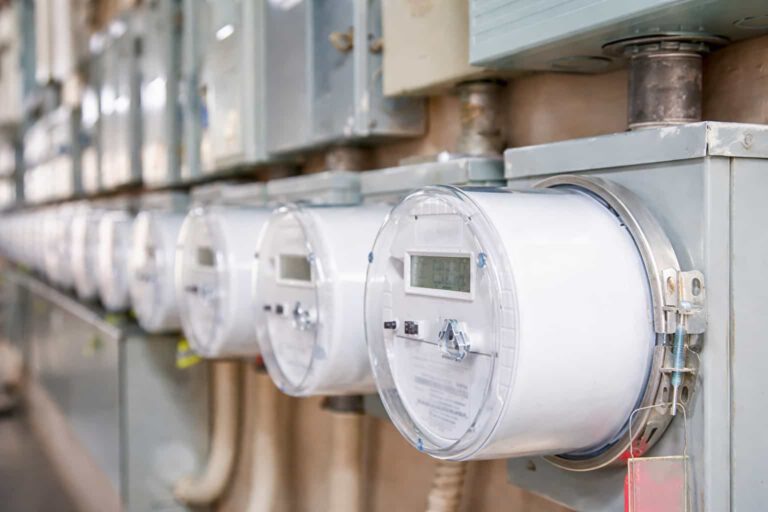
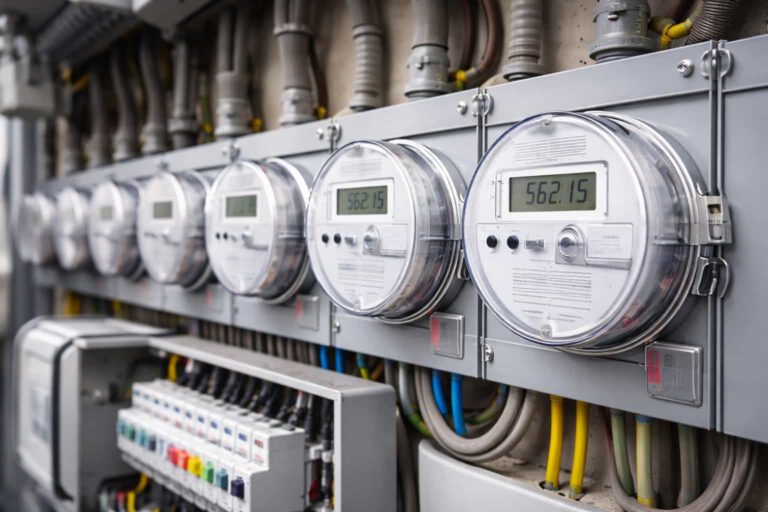
Sub metering and monitoring are essential tools for cost control. They allow businesses to track EV charging energy separately from other consumption, enabling accurate reporting, budgeting, and cost recovery where needed.
Billing, access control, and user management
EV charging infrastructure is not just a technical installation. It is also a service that requires clear rules and management.
Businesses need to decide:
- Who can use the chargers
- When chargers are available
- Whether charging is free, subsidised, or billed
- How costs are allocated or recovered
- How usage is monitored and reported
Without defined policies, disputes and inefficiencies are common. Charging platforms that integrate with energy data and access control systems provide far greater transparency and flexibility.
Compliance and safety considerations
EV charging installations must comply with UK electrical regulations, building standards, and health and safety requirements.
Key areas include:
- Electrical safety and certification
- Load balancing and protection systems
- Fire safety considerations
- Accessibility requirements
- Ongoing inspection and maintenance
Compliance should be considered from the design stage, not treated as a final sign off exercise. Reputable installers and independent verification reduce risk and ensure long term reliability.
Integrating EV charging with sustainability strategies
For many organisations, EV charging is part of a broader sustainability or net zero strategy. However, charging alone does not guarantee carbon reduction.
To deliver real environmental benefits, businesses need to understand:
- How charging energy is sourced
- Whether charging increases peak grid demand
- How EV charging fits with on site generation
- The role of load shifting and smart scheduling
When combined with energy monitoring, sub metering, and renewable generation, EV charging can actively support emissions reduction rather than undermine it.

Planning for future growth and technology change
EV adoption continues to evolve, and charging technology is advancing rapidly. Businesses should plan for change rather than installing fixed solutions that become obsolete.
Future proofing considerations include:
- Scalable electrical infrastructure
- Modular charger installations
- Software platforms that support upgrades
- Compatibility with future vehicle standards
A phased approach often delivers better outcomes than large upfront installations based on uncertain assumptions.
Why data is the foundation of successful EV charging
Across all stages of EV charging deployment, one principle remains constant. Decisions based on data outperform decisions based on assumptions.
Accurate energy data supports:
- Capacity planning
- Cost forecasting
- Performance monitoring
- Sustainability reporting
- Operational reliability
Businesses that treat EV charging as part of a connected energy system achieve better results, lower risk, and greater long term value.
Final thoughts
Installing EV charging infrastructure is a strategic investment that affects energy systems, finances, operations, and sustainability outcomes. Businesses that take the time to understand capacity, monitor energy use, and plan integration are far more likely to succeed.
EV charging should not be viewed as a standalone project. When aligned with energy monitoring, sub metering, and data driven decision making, it becomes a powerful asset that supports both commercial performance and environmental responsibility.