Every day, businesses across the UK consume energy without truly understanding how, where, or why it is being used. Most organisations only see their energy performance when a bill arrives, often weeks after the energy has already been consumed. By then, any inefficiency, waste, or abnormal usage has already cost money.
This is where real time energy monitoring for businesses changes the conversation. Instead of reacting to historical bills, organisations gain live visibility into their energy use, allowing them to take control, reduce waste, and make informed decisions that lower costs and carbon emissions.
What is real time energy monitoring for businesses?
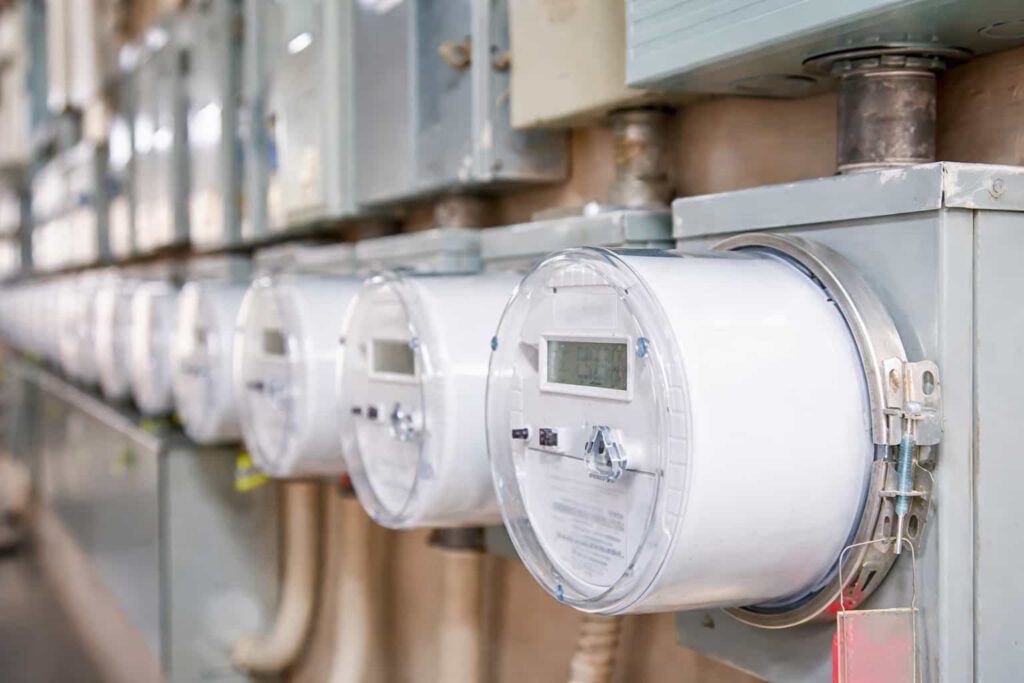
Real time energy monitoring is the process of collecting and analysing live energy consumption data from a building, site, or estate as it happens. Sensors and meters record electricity, gas, water, heat, or other utilities at regular intervals and send that data to a central platform.
Rather than relying on monthly or quarterly utility bills, businesses can see:
- How much energy is being used right now
- Which areas or systems are consuming the most
- When usage spikes or behaves unusually
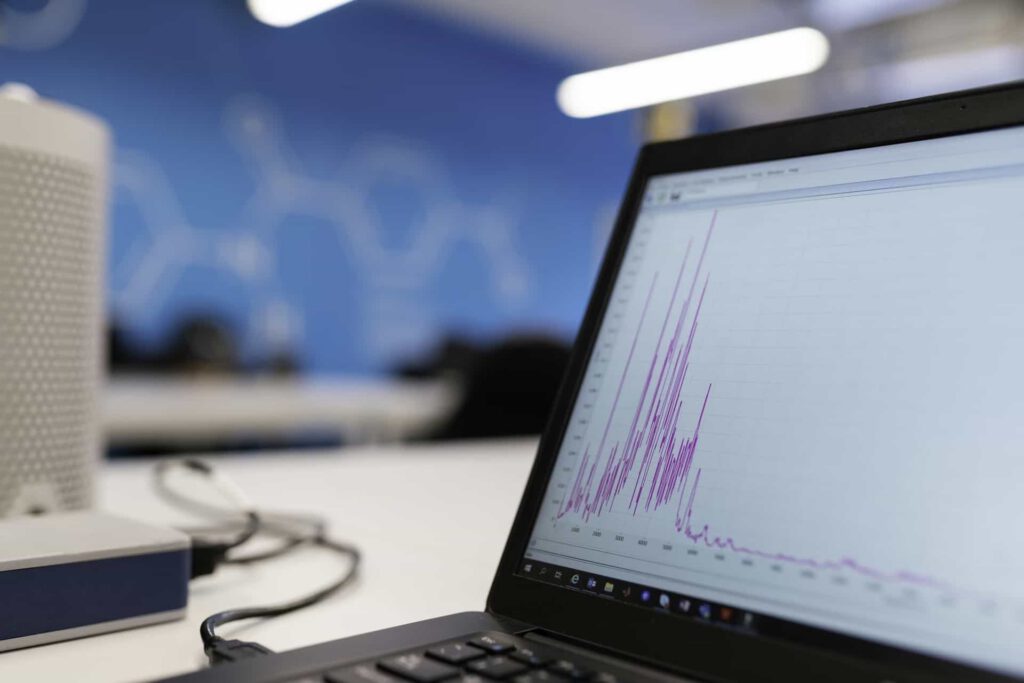
- How consumption changes throughout the day, week, or season
This level of visibility turns energy from a fixed overhead into something that can be actively managed.
Why traditional energy billing is not enough
Utility bills are designed for accounting, not decision making. They show total consumption and cost, but they do not explain behaviour.
A single bill cannot tell you:
- Which departments or tenants are driving energy use
- Whether equipment is running outside operating hours
- If a system is inefficient or malfunctioning
- Where energy waste is actually coming from
Without real time energy data, businesses are forced to guess. This often leads to blanket cost cutting measures that do not address the root cause of the problem.
How real time energy monitoring helps reduce energy costs
The main value of real time energy monitoring for businesses is not the data itself, but what that data enables organisations to do.
Identifying energy waste as it happens
Live data makes waste visible. This might include:
- Equipment running overnight or at weekends
- Heating or cooling operating when buildings are unoccupied
- Sudden spikes caused by faulty plant or controls
- Abnormal usage patterns that indicate leaks or failures
Once identified, these issues can be corrected immediately rather than being discovered months later through a bill.
Improving operational efficiency
Energy monitoring highlights how systems actually perform in practice, not how they were designed to perform.
Facilities teams can use this information to:
- Optimise HVAC schedules
- Balance loads across plant and equipment
- Reduce peak demand charges
- Adjust operating strategies based on real usage
These changes often lead to measurable cost reductions without any capital investment.
Supporting data driven decision making
Energy decisions are often made based on assumptions. Real time energy data replaces assumptions with evidence.
This allows organisations to:
- Prioritise the most effective efficiency measures
- Justify upgrades or system changes with real data
- Track the impact of changes and verify savings
- Avoid spending money where it will not deliver value
This evidence based approach is particularly valuable when reporting to senior management, investors, or regulators.
The role of sub metering in real time monitoring
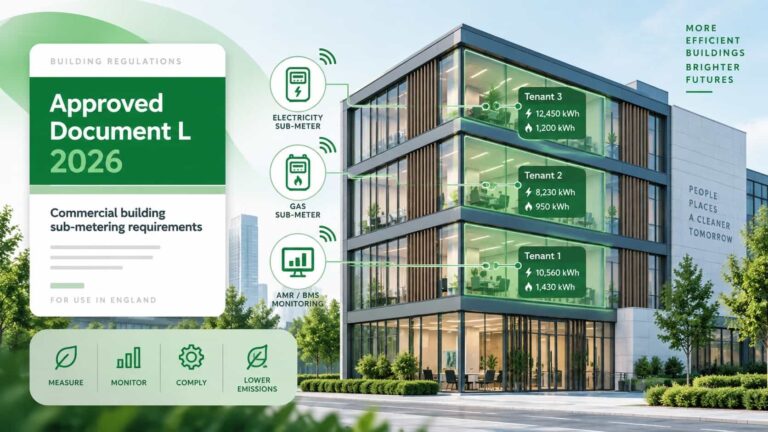
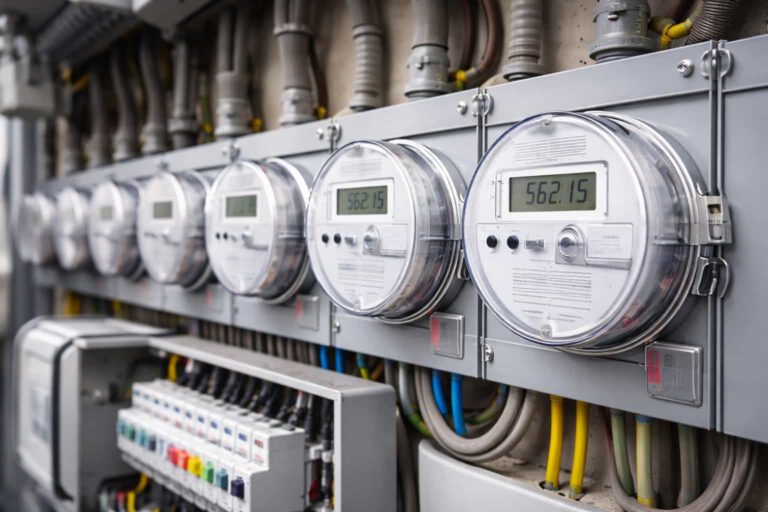
While whole building monitoring provides a high level overview, sub metering adds depth. Sub meters measure energy use at specific points such as:
- Individual floors or tenants
- Departments or cost centres
- Plant and equipment
- Production lines or processes
When combined with real time monitoring, sub metering allows businesses to link energy consumption directly to activity, occupancy, or output. This is critical for fair cost allocation, performance benchmarking, and detailed energy analysis.
Real time energy monitoring and sustainability goals
Many organisations now have formal sustainability, ESG, or net zero targets. Meeting these goals requires accurate and auditable data.
Real time energy monitoring for businesses supports this by:
- Providing reliable consumption data across utilities
- Enabling carbon tracking based on actual usage
- Identifying the most effective emission reduction actions
- Supporting ESOS, SECR, and ESG reporting requirements
Instead of reporting based on estimates, organisations can demonstrate progress with confidence.
Who benefits most from real time energy monitoring?
Although energy monitoring can benefit almost any organisation, it is particularly valuable for:
- Commercial and industrial businesses with high energy use
- Multi site organisations managing multiple buildings
- Property owners and managing agents
- Facilities and operations teams
- Sustainability and compliance leads
In each case, the benefit comes from better visibility, faster response, and more informed decisions.
From insight to action
The most important thing to understand is that energy monitoring is not just about dashboards or graphs. Its value lies in how the information is used.
When implemented properly, real time energy monitoring for businesses becomes part of daily operations. It informs maintenance, planning, investment decisions, and sustainability strategy. Over time, this leads to lower costs, reduced risk, and improved environmental performance.
Final thoughts
Businesses cannot control what they cannot see. Relying on historic bills keeps organisations reactive and exposed to unnecessary cost. Real time energy monitoring provides the visibility needed to move from guesswork to control.
By understanding energy use as it happens, businesses can reduce waste, improve efficiency, and take meaningful steps towards long term cost reduction and sustainability.