
If you’re managing a building or trying to cut energy costs, you’ve probably noticed something frustrating. Your energy bill shows up once a month, and by then, you’ve already wasted money for the past 30 days without knowing it. You’re essentially flying blind, reacting to problems after they’ve already happened. Real-time energy monitoring changes that game completely.
The truth is, energy consumption isn’t static. It fluctuates throughout the day based on what’s happening in your building, what the weather’s doing, and how your equipment is performing. Without visibility into these changes as they happen, you’re making energy decisions based on guesswork and outdated information.
The Real Problem with Traditional Energy Management
Most organisations rely on monthly utility statements to understand their energy usage. That’s like trying to manage your health by checking your weight once a year. Sure, you get some information, but you miss everything that matters in between.
Real-time energy data analytics changes this approach entirely. When you can see your energy consumption patterns minute by minute, you start noticing things that would have stayed hidden forever. Maybe your HVAC system is running at full capacity during night hours when nobody’s in the building. Perhaps your refrigeration equipment is cycling inefficiently. Or your office is overheating because someone left a door propped open.
These aren’t minor issues. Research shows that organisations using smart energy management systems can reduce consumption by 15 to 30 percent simply by identifying and fixing operational inefficiencies. That’s real money saved with minimal capital investment.
How IoT Smart Meters Transform Energy Visibility
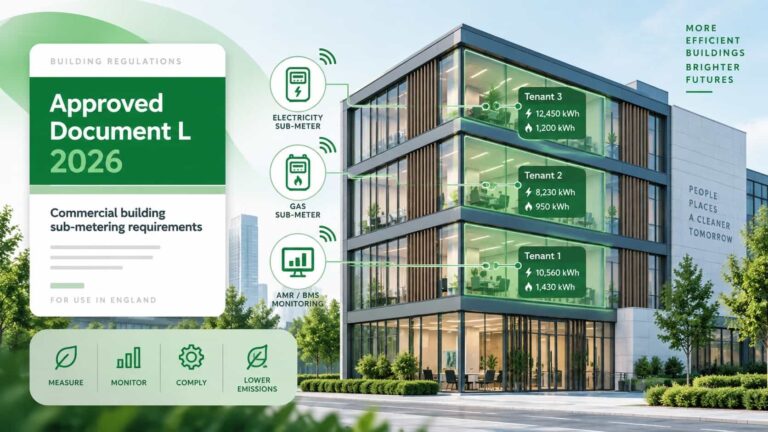
The backbone of modern energy monitoring is the smart meter. Unlike traditional analogue meters, IoT-enabled smart meters provide instant data on energy consumption across your facility. They communicate with a central platform, feeding information about power usage, voltage, frequency, and equipment status continuously.
What makes this different from old technology is the granularity and speed. You’re not waiting for a meter reader to visit your building. You’re not waiting for billing cycles to end. The data flows in real-time to your energy management dashboard, where you can see exactly what’s consuming energy and when.
This kind of building energy monitoring gives facility managers something they’ve never had before: the ability to spot problems before they become expensive. An anomaly in your compressed air system? You’ll see it immediately. A heating or cooling zone that’s stuck at the wrong temperature? You’ll know right away. Equipment that’s degrading and consuming more power than normal? Caught instantly.
The technology itself is straightforward. Smart sensors are installed throughout your building, measuring electricity usage, water consumption, temperature, humidity, and other variables. These sensors communicate wirelessly to a central platform where the information is processed and displayed on dashboards that anyone can understand.
Making Smarter Energy Decisions with Data
Here’s where it gets interesting. When you have real-time energy consumption insights, decision-making becomes less about hunches and more about evidence.
Let’s say you’re deciding whether to replace old HVAC equipment with newer models. Traditionally, you might get a sales pitch from a vendor and make a judgment call. With real-time monitoring, you can look at actual performance data from your current system. You can see exactly how much energy it uses during different times of day, in different seasons, under various loads. You can model what you’d save with new equipment based on real numbers rather than manufacturer estimates.
Or consider building automation and energy optimization. When you know that your building uses twice as much energy between 8am and 10am as it does the rest of the morning, you might schedule non-essential systems to operate outside peak hours. You might pre-cool or pre-heat the building before rates spike. You might adjust lighting based on natural daylight availability. These decisions compound into serious savings.
Many organisations use demand forecasting tools alongside their real-time monitoring data. These tools analyze your consumption patterns and predict what your energy needs will be in the coming hours and days. This is particularly valuable if you’re on time-of-use rates where electricity costs more during peak demand periods. You can shift energy-intensive tasks to cheaper hours and avoid expensive peak demand charges.
The Practical Impact on Operations
Let me give you some concrete examples of what changes when you implement real-time energy monitoring.
A manufacturing facility discovers that their production line is consuming 40 percent more power than it should during idle periods. Real-time monitoring caught this inefficiency. After investigation, they find a faulty contactor on their compressor. Three hours to fix it. Savings of £2,000 per month. Without the visibility, this would have continued draining energy for months.
A retail chain uses real-time data to identify that their refrigeration systems in stores are set 2 degrees colder than necessary. They adjust the setpoints by 2 degrees across 200 stores. Energy consumption drops by 8 percent, saving the company hundreds of thousands annually. The temperature change is imperceptible to customers but noticeable on the energy bill.
An office building manager notices that conference rooms are consuming energy even during weekends when nobody’s there. The smart building controls allow automated scheduling so HVAC, lighting, and charging stations only operate during business hours. Result: 12 percent energy reduction with no impact on comfort.
These aren’t theoretical benefits. These are real outcomes from organisations that switched to real-time energy monitoring systems.
The Technology Stack Behind Smart Energy Management
Understanding how real-time monitoring works helps explain why it’s so powerful.
First, you’ve got your sensors and IoT devices collecting data at the point of consumption. These might be smart meters at the main electrical panel, sub-meters at individual equipment or departments, or distributed sensors throughout the building measuring environmental conditions.
The data flows to an edge gateway or IoT hub that processes and validates it. Then it travels to a cloud platform where advanced analytics run. This is where machine learning algorithms identify patterns, spot anomalies, and generate predictions. The platform presents everything through a user-friendly dashboard that shows consumption in real-time alongside historical trends and benchmarks.
The best systems integrate with building automation controls, allowing them to take action automatically. When the system detects that a zone is unoccupied, it can reduce heating or cooling. When demand pricing signals indicate upcoming peak rates, it can shift loads. When a sensor detects equipment operating abnormally, it can trigger alerts to maintenance teams.
This level of integration transforms energy management from reactive to proactive.
Making the Business Case
You might be wondering about the investment required to implement real-time energy monitoring. The answer depends on your building size and complexity, but the payback is typically measured in months rather than years.
A small office might spend £2,000 to £5,000 installing smart meters and basic monitoring software. Monthly savings of £200 to £500 would pay this back in 4 to 15 months. Larger facilities might invest £20,000 to £100,000 but see monthly savings of £2,000 to £10,000, with payback in similar timeframes.
After the payback period, those savings flow straight to the bottom line. And that’s before considering additional benefits like improved equipment reliability, reduced carbon emissions, and better employee comfort due to optimised environmental controls.
The Future of Energy Decision-Making
Real-time monitoring isn’t just about cutting costs, though that’s important. It’s about having control over a resource that affects your operations, your budget, and your environmental impact.
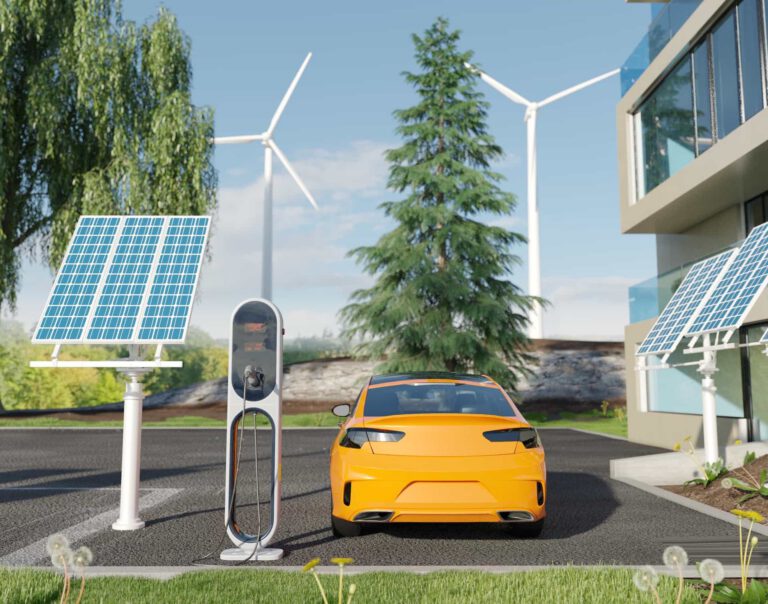
As building operators and facility managers continue adopting these systems, we’re seeing an evolution toward predictive energy management. Instead of just reacting to what’s happening now, organisations will anticipate future needs and adjust accordingly. Integration with renewable energy sources, battery storage, and grid demand response programmes will become standard.
The organisations winning this transition aren’t the ones with the most sophisticated technology. They’re the ones who understand that real-time energy monitoring is fundamentally about making better decisions. Every decision from thermostat settings to equipment purchase choices becomes more informed when you have data showing actual consumption and performance.
Getting Started with Real-Time Monitoring
If you’re considering implementing real-time energy monitoring in your building or facility, start with a clear picture of where you are now. What’s your baseline consumption? Where are your biggest expenses? What systems consume the most energy?
From there, identify quick wins. Often the first 20 percent of effort delivers 80 percent of the savings. Maybe that’s installing sub-meters in your highest-consumption areas. Maybe that’s upgrading to smart thermostats. Or implementing occupancy-based lighting controls.
As you see results and build internal momentum, expand the system. Integrate more sensors, add equipment monitoring, refine your automation rules based on what you’re learning. Real-time energy monitoring is a journey, not a one-time installation.
The key insight is this: when you can see your energy consumption in real time, you stop making decisions based on hope and start making them based on evidence. That shift in how you approach energy management typically results in substantial cost reductions, improved operational efficiency, and genuinely better decision-making.
That’s why real-time monitoring has become essential for any organisation serious about controlling energy costs and improving sustainability. It’s not about the technology itself. It’s about what the technology makes possible: informed decisions that actually move the needle on your bottom line.